Guide
UTM tags that reach the payment, not just the pageview
UTM parameters are a convention, not a feature: whatever you write in them is what you will be reading in six months. A little discipline now is the difference between a revenue report and a list of typos.
Updated
What the parameters are for
Five tags travel on a link and are read on arrival. Source is where the link lives, medium is the kind of link it is, campaign is the thing you are running, term is the keyword you paid for, and content distinguishes two links in the same campaign.
None of them are verified by anything. They are a note you are writing to your future self, and the only rule that matters is that you write the same note every time.
- utm_source: newsletter, x, reddit, producthunt, a partner's name
- utm_medium: email, social, cpc, referral, banner
- utm_campaign: launch-november, black-friday, v2-announcement
- utm_term: the paid keyword, when there is one
- utm_content: which of the two links in the same email this was
The four mistakes that ruin the report
Case. Newsletter and NEWSLETTER are two sources in every tool that does not fold them, and yours probably does not. Pick lower case and never think about it again.
Synonyms. x, twitter, x.com and tw will sit in four rows and none of them will be the real number. Keep a list of the sources you use, short enough to remember.
Tagging your own internal links. A link from your blog post to your pricing page with a utm on it ends the current visit and starts a new one, credited to you. Internal links never get tags.
Tagging what is already known. Links from your own domain, from search engines and from most referrers arrive with their origin readable. Adding tags on top replaces a true answer with a hand-written one.
Tag the links you place somewhere you do not control. Leave everything else alone.
Carrying the tag to the charge
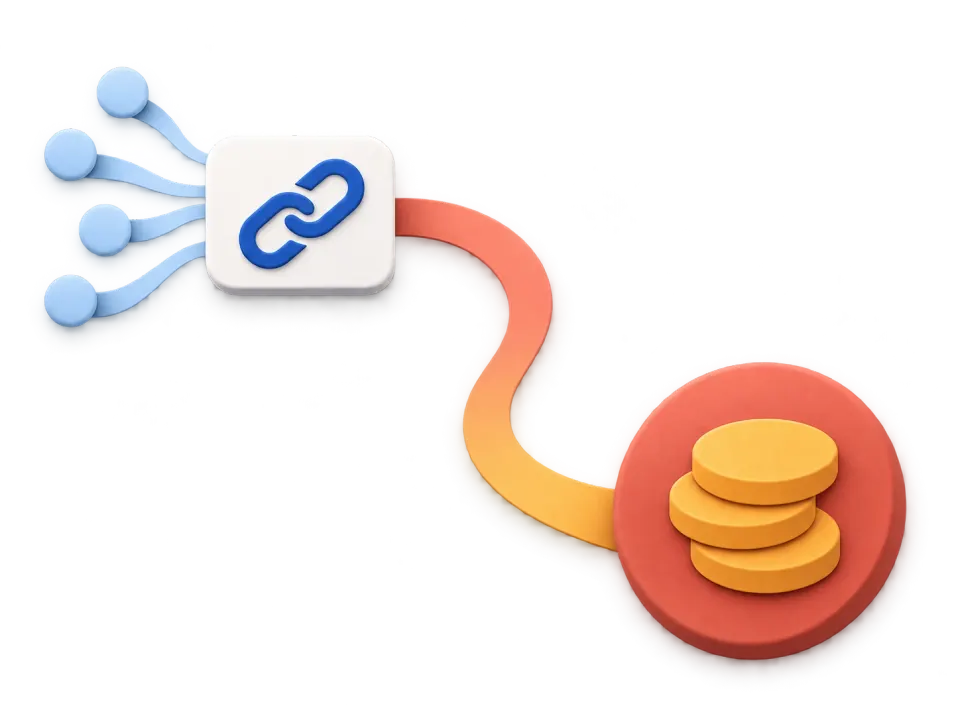
The tags are read on arrival and stored with the visit, not with the pageview, so they survive the visitor reading four more pages before buying. When a payment is matched to that visit it inherits the campaign, which is what makes "this campaign produced this much" a sentence about money rather than about clicks.
They also survive the gap. Somebody who arrives from a tagged link, leaves, and comes back a fortnight later to buy is still credited to the campaign, because credit goes to the last visit that was not direct rather than to the visit the payment happened in.
There is a link builder in the dashboard that writes the URLs for you from the same vocabulary you are already using, which is a small thing that prevents most of the mistakes above.
The dashboard this is describing
Live demo, real queries, generated traffic. No sign-up.
- Organic Social2,412$3,120
- Direct1,072$1,240
- Referral771$960
- Organic Search720$580
- AI246$310
- 🇺🇸United States885$2,410
- 🇮🇳India887$140
- 🇬🇧United Kingdom427$980
- 🇩🇪Germany427$760
- 🇧🇷Brazil451$210
Questions
Do UTM parameters need a cookie banner?
The parameters themselves are in the URL you were sent, and reading them is not storage on the visitor's device. What needs consent depends on what your analytics does next: this product sets no cookies by default and derives a visitor id from a daily salted hash, which is why it ships without a banner. That is a description of the mechanism and not legal advice about your jurisdiction.
Will the tags show up in my payment processor?
Not in the processor, and they do not need to. The campaign stays with the visit; the payment is joined to the visit afterwards. Nothing about your checkout changes and no marketing data is sent to your payment provider.
What about ad platform click ids like gclid?
They are kept as they arrive and are visible on the visit, which is enough to recognise paid traffic and to separate it from organic. This product does not talk to ad platforms and does not claim to reconcile their numbers with yours; theirs count clicks they charged you for, these count visits that happened.